
 Builder Incentives in North Dallas: What Buyers Should Negotiate
North Dallas · New Construction · Call/Text 469.230.1409
If you're shopping new construction in Prosper, Celina, Frisco, or McKinney right now, you're buying in one of the strongest new-home markets in the country — and one where builders are actively competing for your business. That competition shows up in the form of incentives: rate buydowns, closing cost credits, design upgrades, and more. The catch is that most buyers only see the number a builder advertises, not what that number is actually worth once you understand how the package is structured — and what's still negotiable beyond it.
Here's a full breakdown of the incentive types you'll run into across North Dallas builders, and exactly what to push for at the negotiating table.
Why Builders Are Offering Incentives Right Now
New construction pricing works differently than resale. Builders rarely drop their base price, because a lower list price affects every future sale in that community and can hurt appraisals for neighbors who already closed. Instead, builders protect their base price and compete on incentives — which are easier to adjust, easier to hide from public comps, and easier to pull back once a community sells out.
Right now in North Texas, elevated interest rates have slowed buyer demand, while builders are still carrying finished inventory homes that cost them money every month they sit unsold. That combination has pushed many builders toward larger incentive packages to keep sales moving — especially on completed or nearly-completed "quick move-in" homes, where the builder's holding costs are highest.
The Main Types of Incentives You'll See
1. Interest Rate Buydowns This is the incentive builders lead with almost everywhere right now. There are two structures:
- Temporary buydowns (commonly 2-1 or 3-2-1) lower your rate for the first one to two years before it steps back up to the full note rate. A 2-1 buydown, for example, typically means your rate is about 2 percentage points lower in year one and 1 point lower in year two.
- Permanent buydowns use discount points paid by the builder to reduce your rate for the full loan term — generally a 0.25% to 0.5% reduction off the base rate, depending on how much the builder is willing to fund.
Buydowns funded through discount points typically cost the builder roughly 1% of the loan amount per 0.25% of rate reduction — useful to know when you're comparing whether a buydown or a straight price/closing-cost credit is the better deal for your situation.
2. Closing Cost Credits ("Flex Cash") Many builders are currently offering somewhere in the range of $10,000–$30,000 in flexible incentive dollars that can go toward closing costs, a rate buydown, or in some cases a price reduction. This is usually the single biggest lever you have in a negotiation, because it can be redirected based on what actually helps you most — a lower rate, less cash due at closing, or a straight discount.
3. Design Center / Upgrade Credits On homes still in the build process (not yet-finished spec homes), builders will often offer a design credit — sometimes in the $15,000–$50,000 range depending on the builder and price point — toward flooring, countertops, cabinetry, appliances, and other selections. This is worth more leverage than it looks like on paper, since design center pricing tends to run well above retail.
4. Free or Discounted Upgrades Common non-cash incentives include included (rather than optional) upgrades like smart home packages, upgraded countertops, extended patios or garages, and in some communities, waived lot premiums for corner lots, cul-de-sac lots, or larger homesites.
5. Prepaid HOA Dues Some builders will cover six months to a year of HOA dues at closing — a smaller line item, but one worth asking about, especially in master-planned communities with higher monthly dues.
What to Actually Negotiate
Most buyers stop at asking "what's the incentive?" The stronger move is negotiating each of these separately:
Ask for the full incentive breakdown in writing. Verbal promises from a sales rep mean nothing once you're at the closing table. Get the rate buydown cost, design credit amount, closing cost contribution, and any free upgrades itemized in writing before you're emotionally attached to the house.
Negotiate the Owner's Title Policy separately. In North Texas, it's common for builders to cover the buyer's owner's title policy as a standalone concession — roughly 0.6% of the purchase price — separate from the broader incentive package. Don't let this get folded into your other credits as if it's the same ask.
Compare the builder's preferred lender against an outside lender. Most builders tie their best incentives to their in-house or preferred lender, and that lender's base pricing can sometimes offset part of the incentive. Get a competing Loan Estimate from an outside lender — even if you don't plan to switch — because it gives you real leverage to push the builder's preferred lender to sharpen their numbers.
Target quick move-in inventory over a ground-up build. Builders carry real monthly costs on finished, unsold spec homes, which makes them more motivated to negotiate on inventory that's already built or close to complete. A home that hasn't broken ground yet gives the builder far less urgency to deal.
Don't fixate on base price alone. The base price is usually the least negotiable number in new construction. The real value is in the total package — rate buydown, design credits, closing costs, and lot premium waivers combined. Two builders with similar base prices can have a $20,000+ difference in total incentive value.
Time your offer around the builder's fiscal calendar. Builder sales reps often work against quarterly or year-end quotas. Late March, June, September, and December tend to be when builders are most motivated to close deals and most flexible on incentives.
Never waive your independent inspection. Builders will sometimes offer an extra credit in exchange for skipping a third-party inspection on a "new" home. Don't take that trade — new construction has defects too, and an inspection is cheap insurance relative to what it can catch.
Watch for costs hiding outside the incentive package. Escalation clauses, HOA transfer fees, and capped landscaping allowances can quietly add thousands of dollars back onto a deal that looked fully covered. Read the contract line by line, not just the incentive sheet.
Why This Matters More in a Competitive Market Like Prosper and Celina
North Texas — and Dallas specifically — continues to lead the nation in new-home sales volume, which means builders here have more competition for buyer attention than in most markets. That works in your favor if you approach the process with a clear strategy: comparing multiple builders on total package value, not just sticker price, and negotiating each incentive category on its own terms rather than accepting the first number offered.
Let's Build Your Negotiating Strategy
Every builder in the Prosper, Celina, Frisco, and McKinney corridor structures incentives a little differently, and the "best deal" often isn't the community advertising the biggest number — it's the one where the full package actually fits your budget and priorities. I work directly with buyers to compare builder offers side by side, push for the incentives that matter most to your situation, and make sure nothing gets left on the table.
📍 Serving Prosper, Celina, Frisco, McKinney, and North Dallas 📞 Call/Text 469.230.1409 ✉️ kgnair@ondemanddfw.com
FROM OUR BLOG

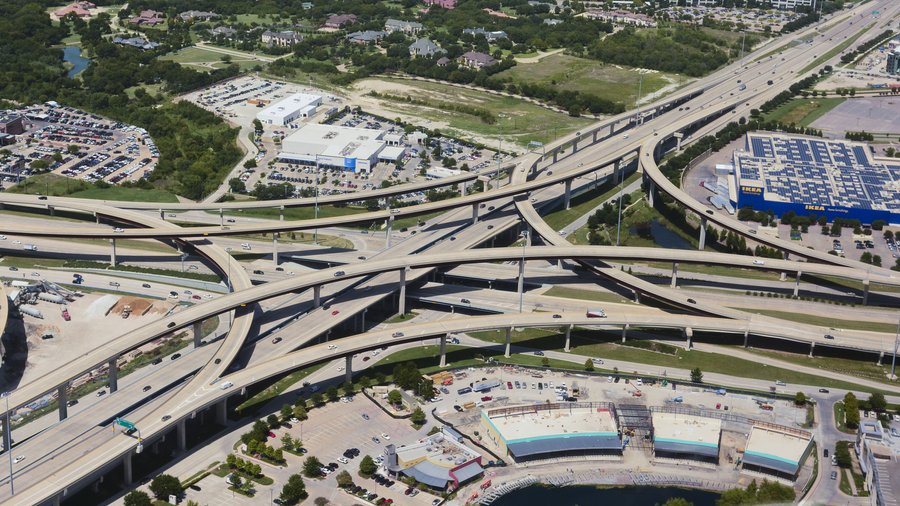
Dallas North Tollway to reach Prosper and Celina north of Dallas
How the Dallas North Tollway Expansion Could Change Home Values in Prosper and Celina North Dallas · Market Insights · Call/Text 469.230.1409 If you own a home in Prosper or Celina — or you're weighing whether to buy in one of these communities — there's a piece of infrastructure news you shouldn't
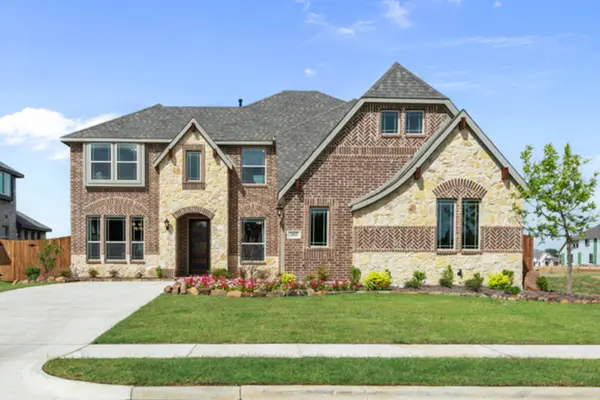
McKinney Real Estate Market Updates North Dallas Living - Willow Wood
Willow Wood: The Amenity-Rich Melissa ISD Community That Has It All by OnDemand Realty July 25, 2026 02:47 PM Willow Wood: The Amenity-Rich Melissa ISD Community That Has It All A 306-acre master-planned community, two of DFW's most respected builders, resort-style amenities, and top-rated Meliss

Latest Updates On What's Happenning in Mckinney, Texas
📍 Now updating listings across McKinney, TX · Call/Text 469.230.1409 McKinney, TX · Latest Updates What's Happening In McKinney — The Recent Updates A $300M amphitheater. A $200M surf resort. A commercial airport. $9.63 billion under construction. Here's everything moving right now — and what it